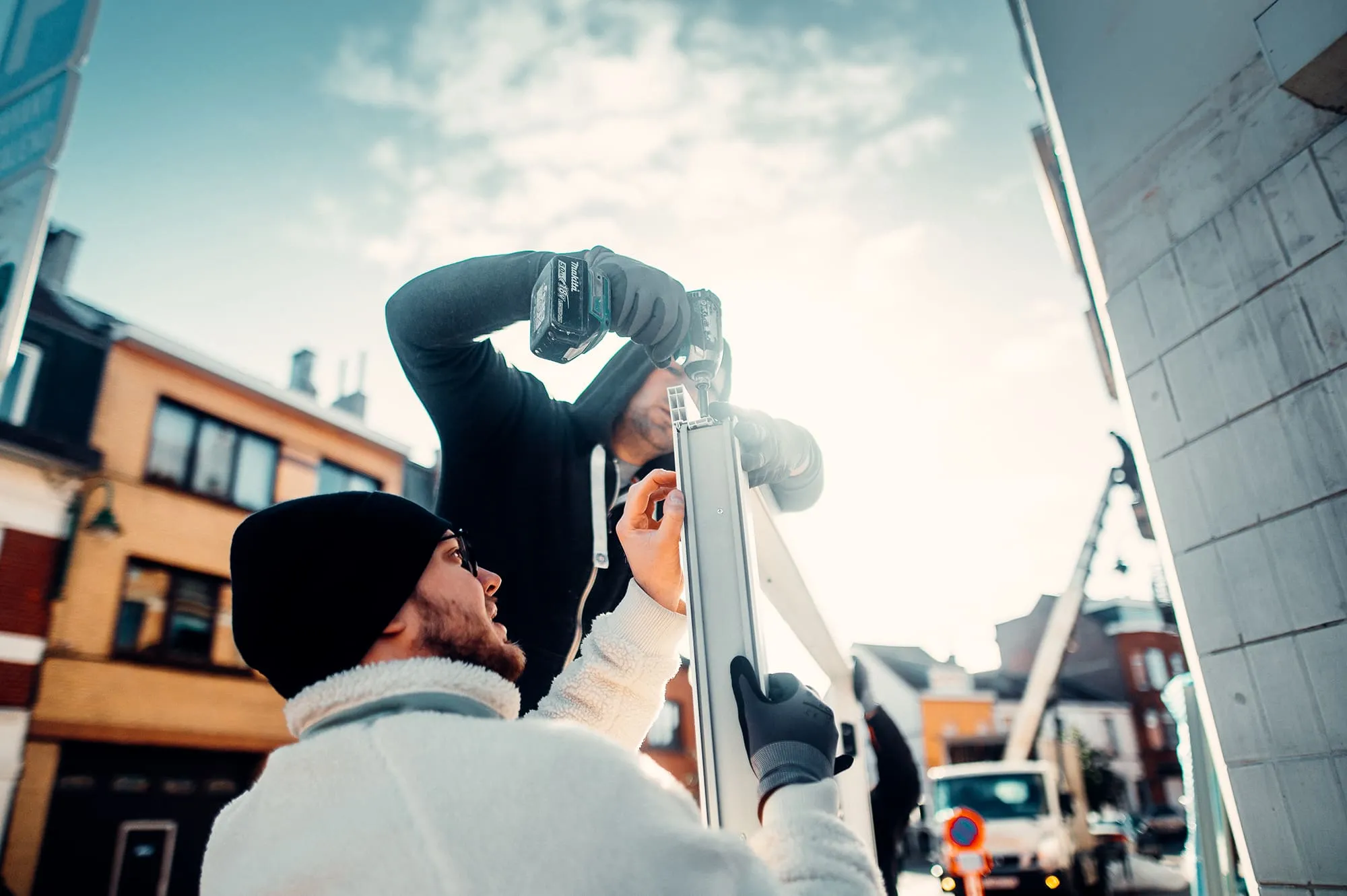
When should you replace your windows, and when should you replace only the glass?
When a window becomes less efficient, the first question is not always whether everything needs to be replaced. In some cases, it is possible to replace only the glazing. In others, it makes much more sense to replace the entire window in order to restore real comfort, insulation, and long-term durability.
Understanding the difference helps avoid the wrong decision and gives the project a clearer direction.
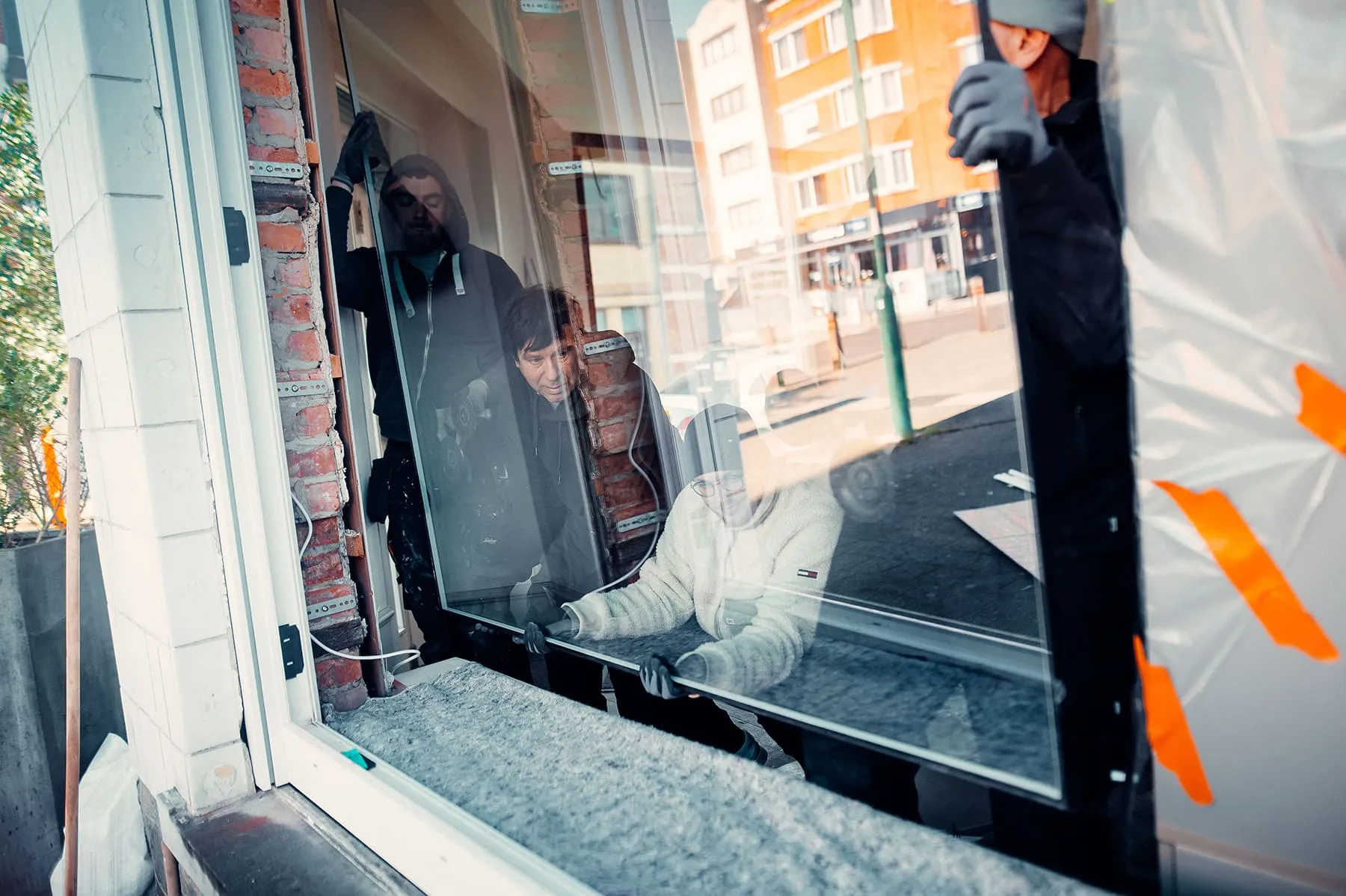
Replacing only the glass: in which cases?
Replacing the glazing can be a good solution when the window itself is still in good condition. If the structure is sound, stable, properly installed, and still consistent with the home, a full replacement is not always necessary.
This option may be relevant if:
- the window is still solid
- it still opens and closes properly
- the overall airtightness remains acceptable
- the frame is not too outdated
- the main goal is to improve the performance of the glass
In that case, replacing only the glazing can improve comfort without launching a full replacement project.
Glazing can last a long time, without staying fully efficient forever
High-quality double or triple glazing can last for several decades, sometimes between 30 and 50 years, depending on its manufacturing quality, installation, exposure, and the overall condition of the window. Glazing filled with insulating gas such as argon was designed to improve thermal performance, but that does not mean it keeps the exact same level of performance indefinitely.
Over time, airtightness can change, performance can decline, and the glazing + frame combination may no longer meet the level of comfort expected today.
In other words, even if the glass is not broken, that does not automatically mean it is still performing at its best.
When replacing only the glass is no longer enough
Sometimes the glazing is only part of the issue. If the window itself is worn out,poorly insulating, warped, or technically outdated, replacing only the glass will not solve the core problem.
Replacing only the glass is usually not enough if:
- you feel drafts
- the windows do not close properly
- the seals are worn
- the opening no longer works smoothly
- the frame is aging
- overall insulation remains weak
- the aesthetic no longer fits the home
In those cases, keeping the existing frame often greatly limits the benefit of new glazing.
When should you replace the full windows?
A full replacement makes more sense when the project goes beyond simply improving the glazing. It often becomes the better choice when you want lasting improvements in:
- thermal comfort
- acoustic insulation
- airtightness
- day-to-day usability
- the look of the façade
- the value and appearance of the home
It is also the best option when older windows no longer meet current expectations or no longer fit within a broader renovation plan.
A few signs that likely point to full replacement
Some signs are quite clear:
- the windows are difficult to close
- the frames are aging
- comfort remains poor despite minor adjustments
- condensation keeps coming back
- acoustic insulation is insufficient
- the façade calls for a broader upgrade
- you want to harmonize all the openings
In those situations, replacing only the glass is often only a temporary or incomplete solution.
The right question to ask
The real question is not simply:
“Can I replace only the glass?”
The real question is more:
“Are my current windows still worth keeping?”
If the answer is yes, replacing only the glass may sometimes be enough.
If the answer is no, it is better to think about the project as a whole.
A technical choice, but also an aesthetic one
Replacing only the glass can make sense in some technical situations. But replacing the full windows can also transform a home more broadly:
- more natural light
- a modernized façade
- better everyday comfort
- stronger visual consistency
- a higher level of finish
The choice therefore depends just as much on the existing condition as on the result you want to achieve.
Why you need to think in terms of the project, not just the product
Every home is different. There is no universal answer that works in every case. What matters is the actual condition of the windows, the quality of the existing setup, and the goals of the project.
A good decision is based on:
- analyzing the existing situation
- the level of improvement you want
- the balance between cost, comfort, and durability
- the final result you are aiming for
Bo Windows helps you get clarity
At Bo Windows, we help you determine whether it makes more sense to replace only the glazing or move forward with a full window replacement, based on the condition of the existing setup and the goals of the project.
If you want to move forward with your project, you can already create a solid starting point through our Get an estimate page.